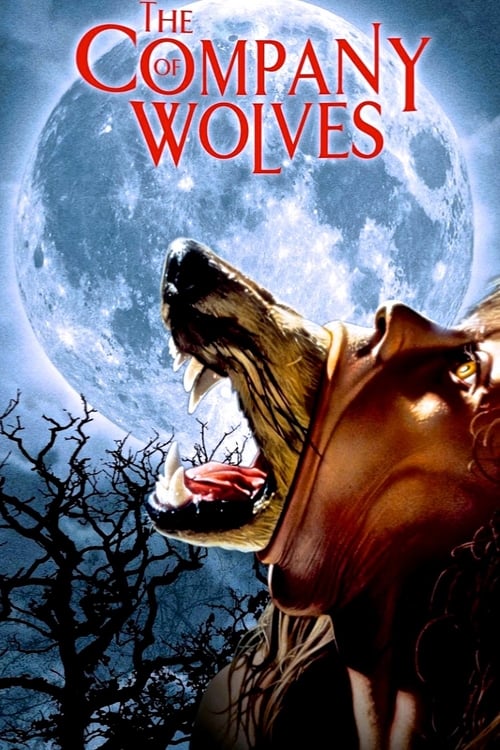
The Company of Wolves
The Desire...The Fantasy...The Nightmare.
Synopsis
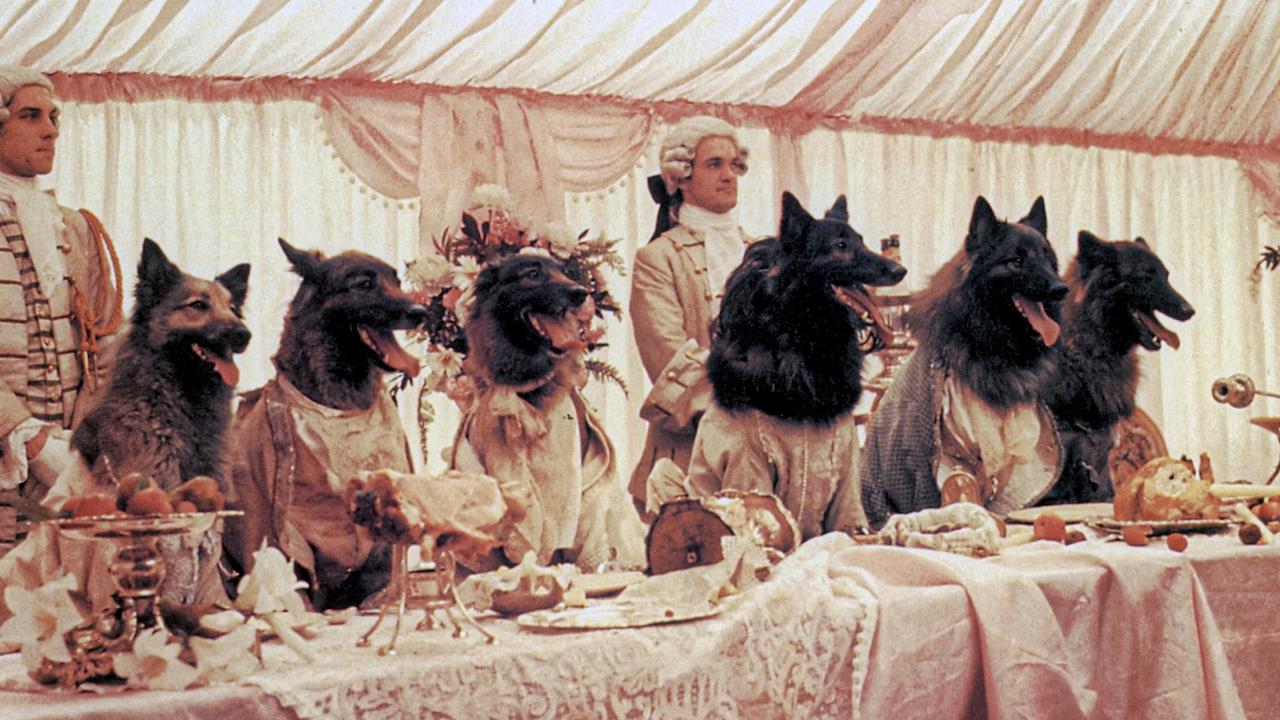
An adaptation of Angela Carter's fairy tales. Young Rosaleen dreams of a village in the dark woods, where Granny tells her cautionary tales in which innocent maidens are tempted by wolves who are hairy on the inside. As Rosaleen grows into womanhood, will the wolves come for her too?
Main Cast
Sarah Patterson
Rosaleen
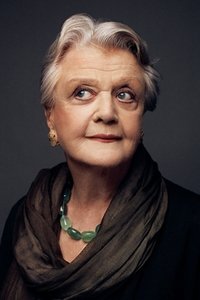
Angela Lansbury
Granny

David Warner
Father
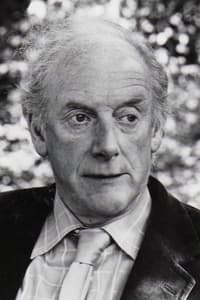
Graham Crowden
Old Priest
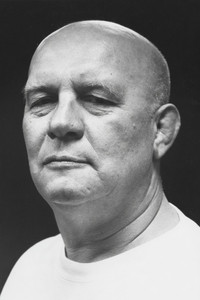
Brian Glover
Amorous Boy's Father

Kathryn Pogson
Young Bride
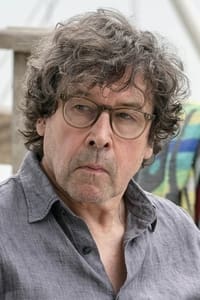
Stephen Rea
Young Groom

Tusse Silberg
Mother
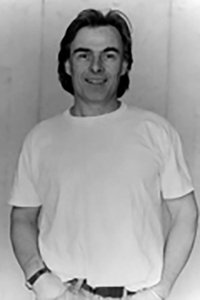
Micha Bergese
Hunstman

Georgia Slowe
Alice
User Reviews
GenerationofSwine
This film is pretentious. Wizard of Oz meets a horror movie to discuss the s(REDACTED)xuality of a (REDACTED FOR ARBITRARY REASONS!!!!)aged girl. This is a pretentious art house movie and one that thinks that it is vastly more intelligent than it really is. It wants to retell the Little Red Riding hood story in a semi-erotic way, but never actually achieves it. But, at least it's pretty.
CinemaSerf
There's a lot of "Little Red Riding Hood" to this Neil Jordan fantasy about the young "Rosaleen" (Sarah Patterson). This woman is prone to vivid dreams set many centuries earlier, where she lives happily with her parents (and without her dull as ditchwater sister) and where she is regular regaled with portentous stories by her grandmother (Angela Lansbury). It's in one such dream, and whilst walking through the woods to visit her elderly relative that she encounters a handsome and enigmatic young man who wants to bet who will reach the old woman's house first! She is intrigued, but is she prepared for the true identity of her admirer? Though the story is a bit staccato at times, but this is still a rich and vividly constructed adaptation of a story that mixes romance, fable and a soupçon of horror cleverly and entertainingly - whilst subtly presenting an undercurrent of emerging sexuality. Sure, some of the effects are not what they might be and the stylised presentation doesn't always work, but the storytelling of "Granny" and some of her warnings about the path, the fruit and about a chap whose eyebrows meet in the middle are engagingly delivered by an on form, and ideally cast Lansbury. A solid supporting cast and a rich score from George Fenton make for quite an enjoyable and creative interpretation of a well trodden story, and I quite enjoyed watching it.
FolknHell
*The Company of Wolves* initially looks as though it has been trapped indoors. Its forests are obviously constructed, its village feels theatrical, and even the electronic score occasionally threatens to wander in from an early-1980s *Doctor Who*. Then the film quietly makes the case that this artificiality is not something to forgive. It is the point. Rosaleen is dreaming, and Neil Jordan’s film allows the dream to build its own geography. Objects from her waking world turn up among the trees, including toys from the bedroom where she sleeps. By the end, the movement has reversed and the forest is pushing its way into the house. Reality has not simply been escaped. It has been taken apart and rebuilt into something capable of expressing fears and desires that Rosaleen does not yet have ordinary language for. Which is where the wolves become interesting. They are dangerous, certainly, but treating them merely as monsters rather misses what the film is worrying at. Grandmother’s warnings about men who are “hairy on the inside”, stories of sex, abandonment, pregnancy and violence, and the insistence on never straying from the path all turn folklore into inherited instruction about adulthood. The village offers rules. The forest offers everything outside them. Then a handsome stranger arrives carrying a compass, apparently unaware that anyone needed a path in the first place. The strange details work because nobody within the dream thinks they are strange. Eggs crack open to reveal tiny figures. One of them cries. Rosaleen takes it home and her mother reacts with roughly the level of concern normally reserved for discovering an unfamiliar button. That is much more unsettling than stopping the film to explain what any of it “means”. Dream logic is doing the heavy lifting, and wisely so. For all its transformations, this is therefore only incidentally a werewolf film. The final change is notably different from the gruesome ones that precede it: painless, shared and closer to release than punishment. Rosaleen does not simply encounter the wild thing she has been warned about. She joins it. That is also why *The Company of Wolves* earns its folk-horror place without needing the usual checklist of ancient rites and sinister villagers. Its folklore is not decoration. It is the machinery through which one generation tries to explain danger to the next, only for the girl receiving those stories to discover that she might choose a different ending. --- Reviewed by FolknHell, the folk horror film podcast · folknhell com Hear the full FolknHell podcast discussion of Sennentuntschi: Curse of the Alps: folknhell com/sennentuntschi-review along with our other reviews, transcripts and episodes.