The Evolution of Superhero Movies: 2000-2026
📑 Table of Contents
- 🎬 The Journey in Numbers
- 📺 Phase 1: The Foundations (2000-2007)
- 🏆 Phase 2: The Golden Age (2008-2012)
- 🌟 Phase 3: The Expansion (2013-2018)
- 💥 Phase 4: The Endgame (2019)
- 🌍 Phase 5: The New Era (2020-2026)
- 📊 The Evolution at a Glance
- 🎯 What's Next for Superhero Movies in 2026 and Beyond?
- 🔍 Explore More on FilmNow
Superhero movies have become the dominant force in modern cinema. In 2026, they account for nearly 30% of global box office revenue. But it wasn't always this way. Just 25 years ago, superhero films were considered a niche genre, often dismissed as campy or silly.
How did we get from X-Men (2000) to Spider-Man: Brand New Day (2026)? The journey is one of the most fascinating stories in film history—a tale of risk-taking, creative vision, and the power of passionate fandom.
🎬 The Journey in Numbers
| Year | Milestone | Box Office Impact |
|---|---|---|
| 2000 | X-Men released | $296 million worldwide |
| 2002 | Spider-Man breaks records | $825 million worldwide |
| 2008 | Iron Man & The Dark Knight | $1.0 billion+ combined |
| 2012 | The Avengers | $1.5 billion worldwide |
| 2019 | Avengers: Endgame | $2.79 billion (all-time highest) |
| 2024 | Superhero films dominate | $5+ billion combined |
| 2026 | New era begins | $6+ billion projected |
📺 Phase 1: The Foundations (2000-2007)
X-Men (2000) – The Game Changer
 X-Men (2000)
Before X-Men, superhero movies were either campy (Batman & Robin) or forgotten (The Shadow). But Bryan Singer's X-Men proved that superhero stories could be taken seriously.
What made it revolutionary:
- Treated mutants as a metaphor for real-world prejudice
- Star-studded ensemble cast
- Grounded, realistic tone
- Serious themes without sacrificing action
Impact: It showed studios that superhero films could be more than just popcorn entertainment—they could say something meaningful.
Spider-Man (2002) – The Box Office Breakthrough
 Spider-Man (2002)
Sam Raimi's Spider-Man shattered box office records, becoming the first film to cross $100 million in its opening weekend.
What made it revolutionary:
- Relatable, everyday hero
- Practical effects (with some CGI)
- Iconic score and memorable quotes
- Captured the spirit of the comics perfectly
Impact: It proved that superhero films could be commercial juggernauts, paving the way for the flood of films that followed.
Batman Begins (2005) – The Dark Turn
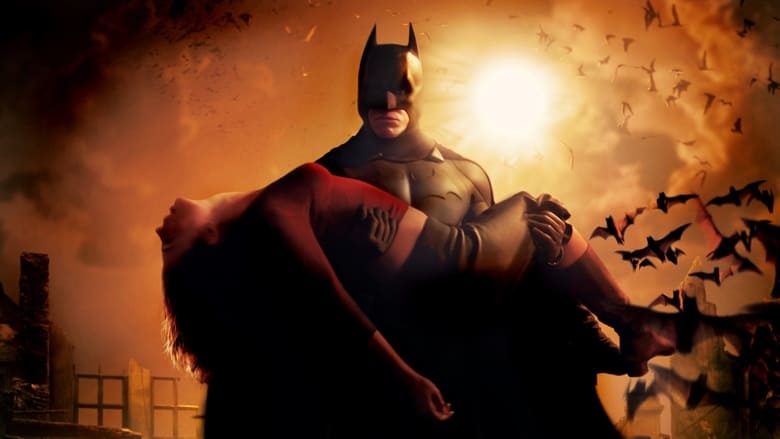 Batman Begins (2005)
Christopher Nolan's Batman Begins rebooted the franchise with a gritty, realistic tone that would define the genre for years to come.
What made it revolutionary:
- A "realistic" origin story
- No campiness or silliness
- Outstanding cast and performances
- Elevated the genre to "prestige" level
Impact: It showed that superhero films could be taken seriously as high art.
🏆 Phase 2: The Golden Age (2008-2012)
Iron Man (2008) – The MCU Begins
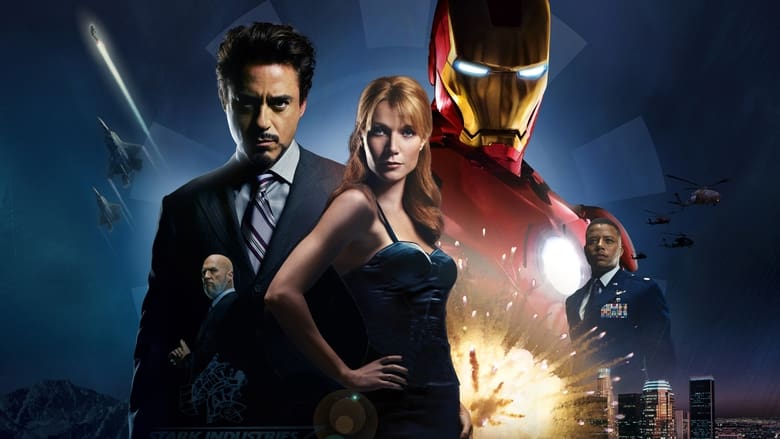 Iron Man (2008)
Iron Man wasn't just a good movie—it was the beginning of the most ambitious franchise in film history: the Marvel Cinematic Universe.
What made it revolutionary:
- Robert Downey Jr.'s career-defining performance
- Post-credits scene (changed the game)
- Shared universe concept
- Blended humor, heart, and action perfectly
Impact: It launched the MCU, the most successful film franchise of all time with over $30 billion in box office revenue to date.
The Dark Knight (2008) – The Masterpiece
 The Dark Knight (2008)
Christopher Nolan's sequel to Batman Begins elevated the genre to unprecedented heights. Heath Ledger's Joker became an iconic performance, and the film won two Academy Awards.
What made it revolutionary:
- Heath Ledger's Joker (Oscar-winning)
- Dark, complex themes (chaos vs. order)
- Groundbreaking cinematography
- A crime epic disguised as a superhero film
Impact: It proved that superhero films could win major awards and be considered "serious cinema."
The Avengers (2012) – The Crossover Dream
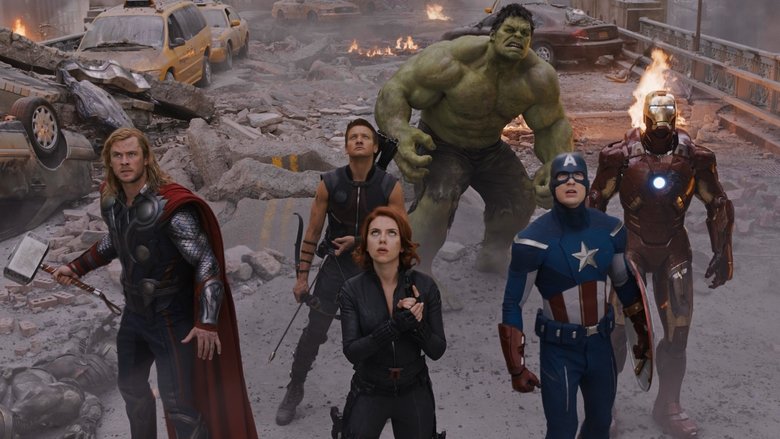 The Avengers (2012)
Joss Whedon's The Avengers was the first time multiple superheroes from different films came together on screen—and it was a massive success.
What made it revolutionary:
- First true superhero crossover
- Ensemble cast that actually worked
- Perfect blend of action, humor, and heart
- Established the "team-up" formula
Impact: It showed that shared universes were not only possible but wildly profitable.
🌟 Phase 3: The Expansion (2013-2018)
The Rise of Diverse Superheroes
The mid-2010s saw superhero films expand beyond the white male heroes of the past:
| Film | Year | Significance |
|---|---|---|
| Wonder Woman | 2017 | First female-led superhero film in over a decade |
| Black Panther | 2018 | First Black-led superhero film; cultural phenomenon |
| Guardians of the Galaxy | 2014 | Unconventional heroes; proved anything can work |
| Deadpool | 2016 | R-rated superhero film; broke box office records |
The DC Challenge
DC Films tried to compete with the MCU with Man of Steel (2013) and Batman v Superman (2016). While these films had their moments, they were never as universally beloved as Marvel's offerings.
Key DC Successes:
- Wonder Woman (2017) – Critical and commercial hit
- Aquaman (2018) – $1 billion+ worldwide
- Joker (2019) – Independent, dark, Oscar-winning
💥 Phase 4: The Endgame (2019)
Avengers: Endgame – The Climax
The culmination of 22 films and over a decade of storytelling. Avengers: Endgame became the highest-grossing film of all time (until Avatar's re-release briefly took the crown).
What made it revolutionary:
- 23 years of storytelling condensed into an epic finale
- Emotional payoffs for every major character
- The "portals" scene—pure cinematic magic
- A satisfying conclusion to an era
Impact: It proved that long-form storytelling in cinema was not only possible but deeply satisfying for audiences.
🌍 Phase 5: The New Era (2020-2026)
The Multiverse & Beyond
The 2020s saw superhero films expand into new dimensions—literally. The concept of the "multiverse" allowed for endless possibilities and crossovers.
| Film/Show | Year | Significance |
|---|---|---|
| Spider-Man: No Way Home | 2021 | Multiverse crossovers; nostalgic triumph |
| Doctor Strange in the Multiverse of Madness | 2022 | Horror elements in superhero film |
| Loki (series) | 2021 | Multiverse setup; mind-bending storytelling |
| Spider-Man: Brand New Day | 2026 | Fresh start; grounded storytelling |
| The Odyssey | 2026 | Superhero-lite; epic fantasy crossover |
The Rise of Mature Content
Not all superhero content is family-friendly anymore. Shows like The Boys, Invincible, and The Punisher pushed the genre into darker, more mature territory.
Key mature superhero content:
- The Boys (Prime Video) – Satirical, brutal, genius
- Invincible (Prime Video) – Animated, violent, emotionally devastating
- Peacemaker (Max) – Hilarious, irreverent, unique
- Deadpool 3 (2024) – R-rated, meta, hilarious
The Diversity Revolution
The 2020s continued the push for representation:
| Film/Show | Year | Significance |
|---|---|---|
| Shang-Chi | 2021 | First Asian-led MCU film |
| Eternals | 2021 | Most diverse MCU cast |
| Ms. Marvel | 2022 | First Muslim-American superhero |
| Blue Beetle | 2023 | First Latino-led DC film |
| Blade (2026) | 2026 | Black-led, dark, gritty reboot |
📊 The Evolution at a Glance
| Era | Years | Key Films | Change |
|---|---|---|---|
| Foundations | 2000-2007 | X-Men, Spider-Man, Batman Begins | Serious storytelling |
| Golden Age | 2008-2012 | Iron Man, Dark Knight, Avengers | Shared universe |
| Expansion | 2013-2018 | Wonder Woman, Black Panther | Diversity |
| Endgame | 2019 | Avengers: Endgame | Cinematic universe climax |
| New Era | 2020-2026 | Multiverse, mature content, diversity | Unprecedented scope |
🎯 What's Next for Superhero Movies in 2026 and Beyond?
1. The Decline of Over-Reliance on CGI
Audiences are craving more practical effects, real stunts, and grounded storytelling. Expect a return to more "realistic" superhero films.
2. The Rise of New Characters
With legacy characters retiring (Iron Man, Captain America, Black Widow), studios are introducing fresh faces. Expect more original, non-comic-book heroes.
3. The Multiverse Expansion
The multiverse will continue to be a major storytelling device, allowing for crossovers, reboots, and alternate reality stories.
4. Streaming Dominance
While theaters remain important, streaming platforms are increasingly becoming the primary destination for superhero content.
5. More Diverse Stories
Studios are finally realizing that representation matters. Expect more films and shows centered on underrepresented communities.
6. The End of the Formula
Audiences are getting tired of the "Marvel formula"—predictable plots, generic villains, and too much humor. Expect a shift toward more unique, unconventional storytelling.
🔍 Explore More on FilmNow
- Browse All Superhero Movies
- Top Rated Movies of 2026
- New Releases
- Best Movies of 2026
- Best TV Shows to Binge
The superhero genre has come a long way in 25 years. What's your favorite superhero movie of all time? Let us know! 🦸♂️🎬